


During the treatment of chronic prostatitis, drugs and physiotherapy methods are combined.Means for the treatment and prevention of complications of prostatitis tone the smooth muscles, normalize the activity of the prostate gland and increase the speed of tissue regeneration.Not everyone has the opportunity to visit a physiotherapist several times a week.There are dozens of at-home options for prostatitis physical therapy devices.Let's look at the devices that have received positive reviews from urologists and find out whether home devices can replace physical therapy sessions.
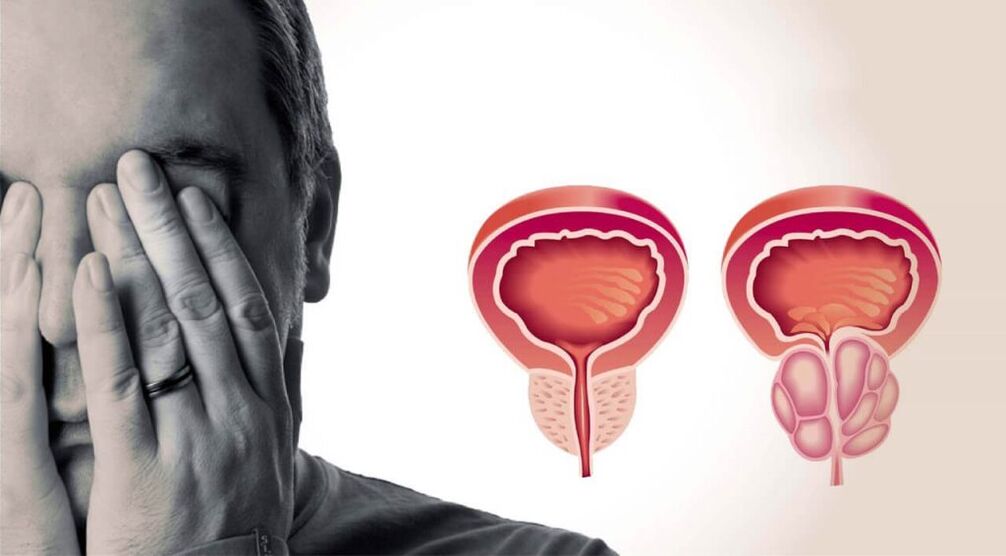
Indications for the use of medical devices
- chronic prostatitis;
- granulomatous prostatitis;
- adhesions, contractions of prostate tissue;
- erectile dysfunction;
- urinary tract disorders;
- venous stagnation of the pelvis;
- decreased libido;
- neurogenic disorders.
The acute stage of inflammation is a relative contraindication to the use of tools for the treatment of prostatitis due to the high risk of complications and the likelihood of infection spreading to nearby pelvic organs.
Hardware procedures are indicated only in the area of the urogenital diaphragm, which is located between the penis and the anus.
Contraindications to the use of the means
- severe stage of hemorrhoids;
- anal fissures;
- rectal prolapse;
- megacolon;
- neoplasms (regardless of the stage, localization of the process);
- pelvic abscesses;
- thrombus formation;
- acute surgical pathology.
Individual intolerance to invasive methods of rectal hardware exposure leads to the use of external physical devices.The effect of such procedures is significantly lower compared to special invasive devices for the treatment of prostatitis.
Principles of therapeutic effects
The hardware techniques are:
- electrical stimulation;
- vibroacoustics (microvibration massage);
- laser therapy (infrared laser exposure with soft rays on prostate tissue);
- magnetotherapy (creating a magnetic field at the site of inflammation).
According to the place of application, all devices for the treatment of prostate diseases can be divided into transrectal devices and non-invasive devices through the perineal tissue.
Transrectal exposure quickly eliminates unpleasant symptoms due to the direct effect on the posterior surface of the prostate through the intestinal wall.The use of such tools makes it possible to achieve stable remission in the absence of exacerbations for a long time.
Perhaps the most effective way to do this is to massage the prostate.Special accessories included in the transrectal device kit allow you to massage the prostate gland through the rectum.Such manipulations have a positive effect, as evidenced by numerous patient reviews:
- urination is restored;
- blood flow increases;
- pain decreases;
- they stimulate the outflow of prostate secretion;
- Erectile function improves.
Non-invasive exposure through the perineal tissue is less effective, but can be used independently at home without special training.
A number of agents affect the affected prostate.They can be affected by:
- variable intensity laser beams;
- magnetic field;
- mechanical vibrations;
- electrical impulses through electrodes;
- heat rays;
- ultrasound;
- vacuum;
- comprehensively (combining the acoustic effect and vibration).
The most common are devices whose operation is based on electrical stimulation.They produce impulses that quickly reach the muscles of the affected prostate.This causes the muscles to contract, which gives a positive result in 80% of cases.
Hardware physiotherapy for prostate diseases is relevant in the intensive treatment of chronic prostatitis or benign hyperplasia.
Active stimulation of blood circulation in the prostate parenchyma reduces tissue swelling and restores blood flow.
Devices affecting the prostate gland have a positive effect on the production of enzymes and specific prostate secretions necessary for its normal functioning.Inhibiting the growth of connective tissue, while improving blood flow and intracellular respiration, makes it possible to use these tools not only for prostatitis, but also for prostate adenoma.
Physiotherapy prostatitis at home
Physiotherapy is a treatment method in which the human body is influenced by various natural factors.It can be electric current, magnetic field, ultrasound, as well as various chemical elements.Physiotherapy is well tolerated by the human body, does not cause side effects, and at the same time is proven to be effective.
Physiotherapy for prostatitis is carried out during the period of remission of the disease.The acute stage of prostatitis, accompanied by pain and swelling of the gland, is a contraindication to physical exposure.In this case, therapeutic procedures not only do not bring benefits, but can also cause harm by increasing the symptoms of the disease.
Physiotherapy for chronic prostatitis includes the following methods:
- Electric shock treatment;
- Magnetotherapy;
- Laser therapy;
- Ultrasonic treatment;
- Mud therapy and mineral water treatment;
- Prostate massage.
- Therapeutic gymnastics.
Let's look at each method in more detail.
During electroplating, the current is constant and continuous.With electrical stimulation, the treatment is carried out with pulse current.With darsonvalization, the current is high voltage and low strength, pulsed and rapidly decreasing.
Each method is effective in its own way.Electrophoresis not only improves blood circulation in the tissues of the organ, but also facilitates the delivery of the drug.Thanks to the electric current, the therapeutic drug penetrates the prostate tissue better and the healing takes place much faster.
Treatment of electric shock can be done in two ways.The easiest way is to place the electrodes in the lower abdomen and perineum.But the method where the electrode is placed in the rectum is considered more effective.This effect is definitely not very pleasant for the patient, but the treatment has a strong anti-inflammatory effect.
Electrophoresis of prostatitis is contraindicated in the following cases:
- For inflammation and damage of the rectum for the intracavitary technique.
- During the period of exacerbation of chronic prostatitis.
- In case of intolerance to treatment with electric current.
Treatment with electrical stimulation is usually performed on an outpatient basis for 10-14 days.The duration of the procedure does not exceed 15 minutes.Before electrophoresis with the drug, it is advisable to massage the prostate, in which case the absorption of the drug will be better.
Magnetic therapy is a treatment method in which the body is exposed to a magnetic field of varying frequency.A variant of this method is microwave therapy, in which the treatment is carried out using an electromagnetic field.
Magnets are prescribed for acute prostatitis after relief of the underlying inflammation and for the chronic form of the disease.The method has a pronounced anti-inflammatory effect, promotes the rapid regeneration of the prostate tissue and improves the nutrition of the organ.
Magnetic therapy promotes the expansion of blood vessels, eliminates their spasm, thereby restoring blood circulation in the pelvis.Thanks to this effect, the antibiotics accumulate more in the body and the healing takes place noticeably faster.
Contraindications to magnetic therapy are pelvic tumors, acute inflammation of the prostate accompanied by pain and swelling, and intolerance to magnetic fields.
Magnetic physiotherapy can be performed in several ways:
- The simplest method is to place the electrodes over the projection of the organ and turn on the device for 15 minutes.The method does not cause pain and is easily tolerated by patients.
- The second method involves inserting a catheter into the urethra or a special electrode into the rectum.This treatment is accompanied by unpleasant sensations, but it is more effective;improvement occurs after the first procedure.
- There is also acupuncture magnetic therapy.In this case, the doctor places the electrodes on special biological points.This method is not recognized by official medicine, but many note its effectiveness.
Special mention should be made of such a physiotherapy method as the use of various magnetic jewelry.The effectiveness of this method has not been proven, therefore the procedure prescribed by the doctor should not be replaced by wearing magnetic jewelry.
Laser therapy is a method of physical therapy in which the affected organ is exposed to a beam of laser light.The laser beam heats the prostate tissue, which provides the following positive effects:
- It stimulates blood circulation and improves metabolism in prostate cells.
- Relieves inflammation and pain.
- It helps strengthen local immunity, immune cells penetrate the organ more easily and begin to actively suppress pathogenic microorganisms.
- It promotes the rapid recovery of the affected area of the prostate gland.
- An excellent way to prevent prostate congestion and improve the outflow of prostate fluid.
Laser therapy is not performed in acute bacterial prostatitis, in the presence of a tumor in the organ, or in case of urogenital infections.
Laser physiotherapy lasts no more than 20 minutes, usually no more than 14 sessions are prescribed.The treatment is carried out through the tissue of the perineum or through the anus.
Ultrasound treatment involves contacting the source of inflammation with high-frequency vibrations.One variant of the method is ultraphonophoresis, which combines the effect of ultrasound and the use of drugs.Ultrasound improves the conductivity of the drug, and the effect of the treatment appears faster.
To treat prostatitis, the doctor places the device in the pelvic area and lower back;usually a minimal dose of ultrasound is used.Only 10-12 procedures are prescribed, the treatment duration is more than 10 minutes.
Ultraphonophoresis of prostatitis has the following positive effects:
- relieves pain;
- improves microcirculation;
- relieves inflammation;
- improves nerve conduction and helps improve potency.
Mud therapy and mineral water treatment include the treatment of prostatitis with medicinal mud and mineral water.The treatment is usually carried out in special sanatoriums, where the natural conditions make it possible to obtain the necessary materials for the therapy.
The treatment is carried out in several ways.First of all, general health baths with medicinal mud and mineral waters are used.Local effects are also indicated.They use rectal suppositories and microenemas made from natural ingredients.Ultraphonophoresis and electrophoresis are also performed with mud and salt solutions.
The positive effect of balneotherapy and mud therapy appears after only a few days of active therapy.In general, the feeling of well-being improves, the performance improves, and the aching pains disappear.Thanks to this physiotherapy method, the nutrition and recovery of the prostate is improved, and the risk of relapse of chronic prostatitis is reduced.
Prostate massage
Usually, the doctor decides which physical therapy method the patient needs.All this depends on the neglect of the condition, the presence of certain symptoms that must be eliminated.But in any case, the hardware treatment of chronic prostatitis is always accompanied by prostate massage and physical therapy.
These methods are mandatory and the most effective.Physical action on the prostate itself and the surrounding tissue can improve blood circulation and prevent the gland from becoming congested.
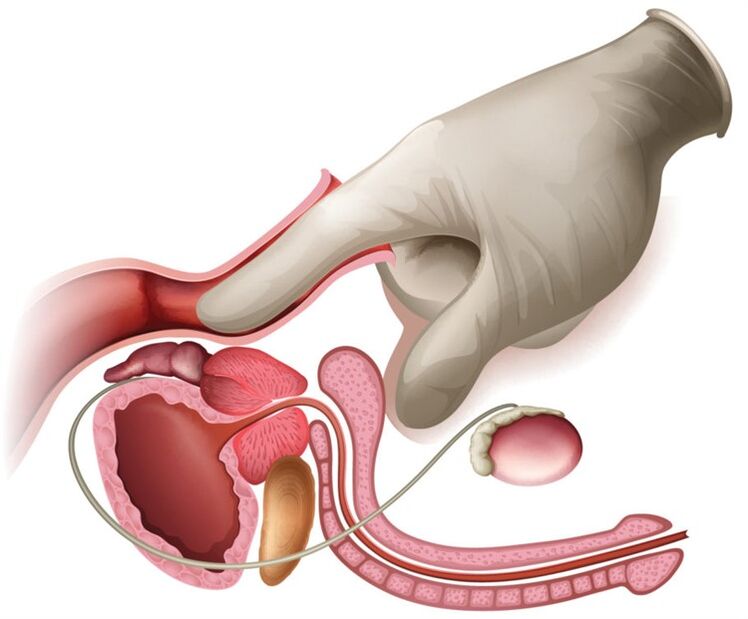
Prostate massage involves stimulating the organ with a finger through the rectum.The intervention is performed by proctologists, but if desired, the massage can also be performed at home, in which case the treatment is performed by the patient's partner, relative or close friend.Do not try to massage the prostate yourself;such treatment will not be effective enough, since the patient cannot relax and fully control his actions.
The procedure takes only a few minutes and does not cause much discomfort.The patient lies on his side with his knees pressed to his stomach or stands in a knee-elbow position.It is very important that you completely relax and trust the person performing the massage.If the patient is tense, the procedure will be painful.
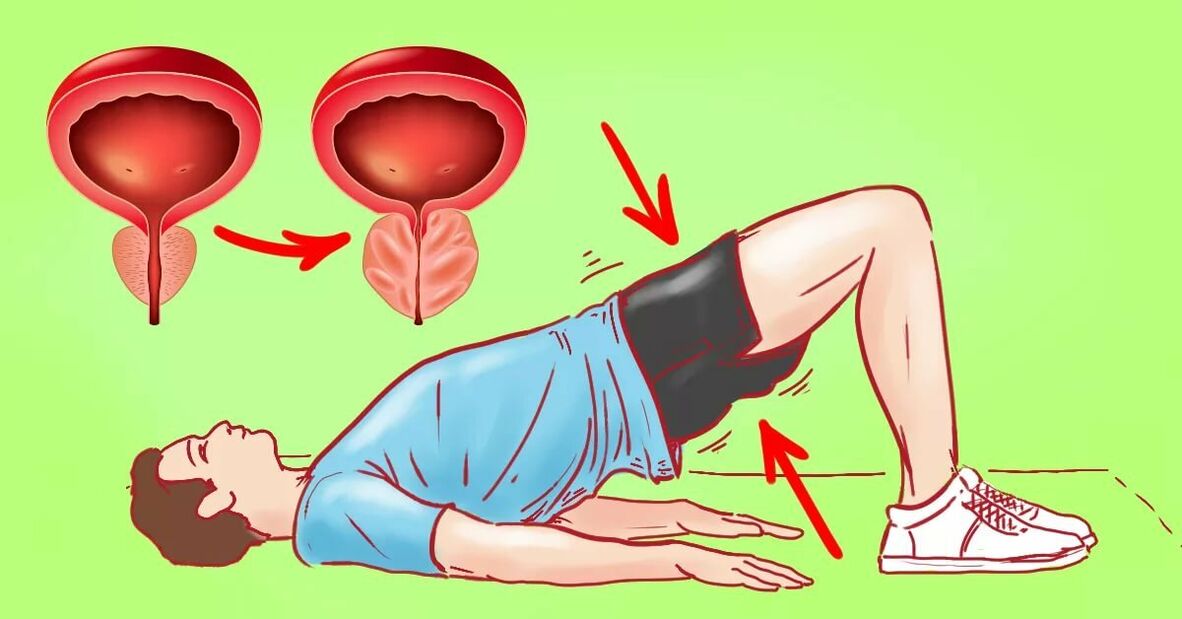
Physiotherapy for prostatitis involves daily exercises for the whole body, with particular attention to the muscles of the pelvis, abdomen and buttocks.Exercises that develop the muscles of the pelvic floor are also very useful and effective.With such gymnastics, a person needs to tighten the muscles of the barrier, as if trying to stop urination.You can practice in the toilet and repeatedly try to stop the flow of urine.
Exercise helps to make the muscles more flexible and stronger, thereby eliminating urinary incontinence.To perform correctly, the muscles of the pelvic floor must be tensed and held in this position for 5-10 seconds, preferably as long as possible.Do up to 10 repetitions.The goal is to increase the duration of the tension to one minute, the number of repetitions does not increase.
In the treatment of prostatitis, the physiotherapy prescribed by the doctor is carried out in a clinic.A hospital usually has a physical therapy department or special room with a variety of equipment.Usually this is a magnet, laser, UHF preparation, etc.
General information
Prostatitis is an unpleasant, chronic disease.The disease likes to return from time to time and causes pain.
In order to reduce the number of regular trips to the hospital, a series of devices that can be used at home have been developed.
Of course, this does not exclude the need to consult a qualified doctor.
Medical devices for the treatment of prostatitis are a good complement to the main treatment (suppositories and tablets), but the expediency of completely abandoning traditional methods can only be determined by a doctor.
These tools are also excellent for prevention purposes.The disadvantage of this method is the low efficiency in advanced diseases.Severe prostatitis can only be treated with serious clinical tools.
Medical devices against prostatitis differ in price, physical principles of action, contraindications and procedures.
A device for treating prostatitis at home can have a therapeutic effect with the help of:
- ultrasound;
- vibrations;
- laser radiation;
- electrical stimulation;
- magnetic field;
- snow;
- vacuum exposure.
The most popular devices for prostatitis are devices based on electric current.In terms of its prevalence, vibration stimulation is not far behind them.